

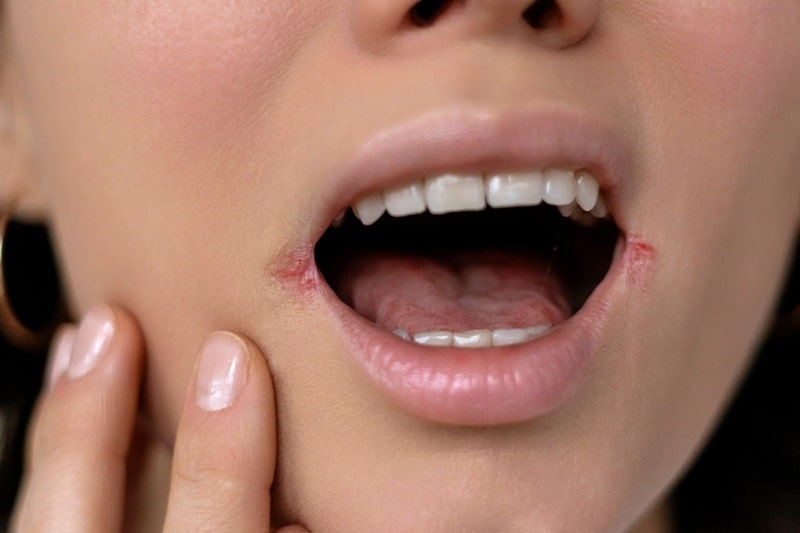
Many people suffer from dry mouth at night and xerostomia. Generally, most people do not notice dry mouth until they begin to develop its symptoms, usually when the symptoms worsen.
Dry mouth symptoms extend beyond discomfort, negatively impacting oral health, sleep quality, and overall well-being. It is essential to understand the causes of dry mouth and recognize the symptoms. This information will help you manage your dry mouth for an extended period of time by using proven home remedies designed for dry mouth.
Most people experience dry mouth, thick saliva, or difficulty swallowing shortly after waking up from sleep. When dry mouth symptoms occur early upon waking, these are indicative of deeper, underlying issues that cause xerostomia, dry mouth. If you consistently experience dry mouth at night, this may also indicate deeper, underlying issues that affect your body during the nighttime hours while you sleep.
There are many reasons why people develop dry mouth at night and xerostomia during nighttime hours. The most common cause of both dry mouth at night and xerostomia is decreased saliva production during sleep, resulting in reduced saliva flow. Saliva is very important for neutralizing bacteria, preventing cavities, and maintaining healthy gums. When saliva production is increased or decreased, many people notice the causes of their dry mouth.
There are many reasons for having a dry mouth (xerostomia) at night. Here are the most common:
Because many of these same conditions can cause xerostomia (dry mouth) during the day, you must address them all to manage your xerostomia effectively while you sleep.
Nighttime causes appear to be more severe because of decreased salivation while sleeping. However, when you combine the reasons for xerostomia during the day with the factors that create dry mouth during sleeping hours under normal circumstance, they all work together to make dry mouth conditions worse.
Some of the primary causes of dry mouth at night include:
If you continue to experience dry mouth symptoms while sleeping, such as cracked lips, sore throat, bad breath, etc., the number and severity of these symptoms will increase dramatically.
Recognizing the signs of dry mouth early can help avoid long-term damage to teeth and gums. People tend to ignore mild symptoms of dryness that develop into chronic dryness (xerostomia).
Here are some common signs of dry mouth:
Symptoms of dry mouth often increase during the evening, making it essential to know about the causes of dry mouth and xerostomia.
There are over 500 medications that cause dry mouth. Examples include:
The use of medications reduces saliva production, thus worsening symptoms of dry mouth and increasing dryness during the evening. Managing diabetes, dry mouth, and other related conditions is best achieved by a medical professional who knows how to manage them appropriately.
Dehydration has been a significant contributor to both nocturnal dry mouth (also known as xerostomia) and daytime dryness of the throat and other tissues. An inadequate amount of fluid consumed throughout the day decreases the amount of saliva produced each day.
Dark-coloured urine, extreme fatigue, and dry skin are all indications of dehydration's contribution to dry mouth.
Increasing fluid intake is one of the simplest methods used to remedy dry mouth and constitutes a basic component of dry mouth treatment.

Numerous medical problems play important roles in the causes of xerostomia (dry mouth) and chronic dryness.
Examples of common medical issues associated with dry mouth include:
These medical problems generally cause disruptions of Salivary Gland function. Because each of these problems has a different effect on saliva production, a professional diagnosis is necessary for appropriate and effective treatment of dry mouth.
Home remedies for relief of dry mouth are focused on stimulating Saliva production and protecting oral surfaces. Most of them address the symptoms of dry mouth and the underlying causes of dry mouth.
The most effective home remedies for dry mouth include:
Using these remedies will greatly improve your ability to sleep comfortably through the night and manage your long-term dry mouth.
The best dry mouth home remedy to use at night is a combination of oral lubricants, hydration, and humidity. A humidifier placed next to your bedside reduces dryness in the air that causes xerostomia, dry mouth at night, while also helping to alleviate the causes of xerostomia.
Some additional tips for using home remedies to treat dry mouth at night are:
These additional home remedies reduce the symptoms of dry mouth and provide a better chance of having a restful sleep.
To properly manage dry mouth effectively, it is essential to develop daily habits that prevent dry mouth and reduce damage to oral health.
To be sure that you’re taking the right steps to help manage your xerostomia (dry mouth), here are a few things to keep in mind:
If your symptoms persist beyond two weeks, it is advised to see a healthcare provider to get evaluated. Chronic dry mouth can indicate something more serious.
See Your Provider if You Have:
The earlier you spot your xerostomia, the sooner you can manage it efficiently.
Read more for better oral Health: Essential Oral Health Tips for a Brighter and Stronger Smile.
To maintain oral health and manage xerostomia effectively, it is essential to understand the causes of xerostomia and utilize effective home remedy solutions for dry mouth. A long-term commitment to managing dry mouth will help ensure that the individual is successful at managing xerostomia, both physically and emotionally..
Dehydration, medications, mouth breathing, medical conditions, and reduced saliva production while sleeping can contribute to xerostomia (dry mouth).
Persistent dry mouth, difficulty swallowing, an increased incidence of dental cavities, and frequent oral infections should prompt a doctor consultation.
Drinking plenty of fluids, chewing sugar-free gum, using a humidifier at night when sleeping, and utilizing oral moisturizing gels are the most effective treatments for dry mouth at home.
Properly managing dry mouth can help prevent cavities, periodontal disease, halitosis, and irreversible enamel loss.
The duration of xerostomia is determined by the underlying cause of the dry mouth. Dryness due to medication use may resolve when the medication is stopped; however, the dry mouth caused by a medical condition will require ongoing management.
This content was created by AI